Why You Should Get Your Air Ducts Cleaned?
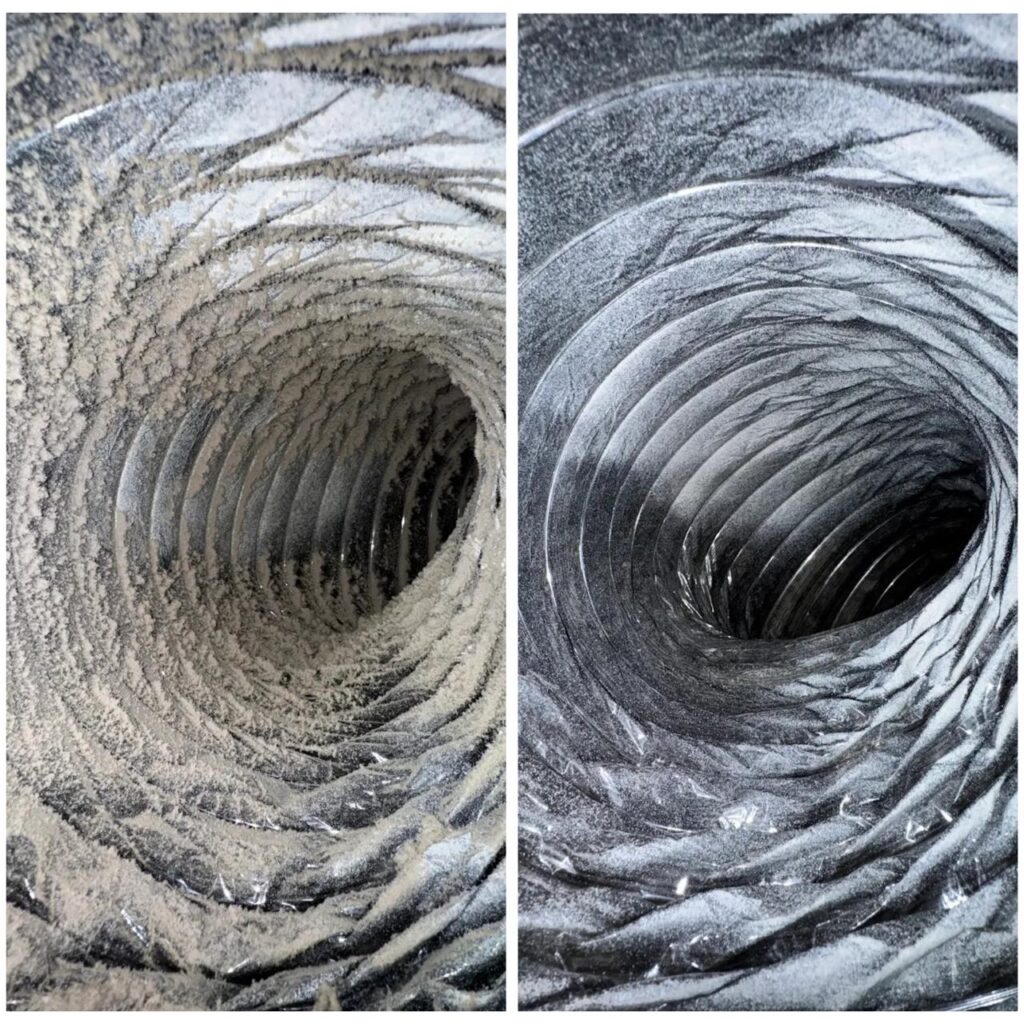
Professional Air Duct Cleaning Services for a Healthier Home Indoor air quality plays a major role in your family’s health and comfort. Over time, dust, debris, pet dander, allergens, and even mold spores can build up inside your air duct system. When your HVAC system runs, these contaminants are circulated throughout your home or business. That’s where Air Duct Clinic comes in. Why Air Duct Cleaning Is Important Many homeowners don’t realize how much buildup can accumulate inside their ductwork. Professional air duct cleaning offers several key benefits: If your home has recently undergone renovations, you’ve noticed excessive dust, or it’s been years since your last duct cleaning, it may be time to schedule a professional service. Our Air Duct Cleaning Process At Air Duct Clinic, we use professional equipment and proven techniques to thoroughly clean your entire air duct system. Our process includes: We focus on doing the job right, not rushing through it. Our goal is to help you breathe cleaner air and protect the longevity of your HVAC system. Residential & Commercial Air Duct Cleaning Whether you’re a homeowner or business owner, clean air ducts matter. We provide air duct cleaning services for both residential and commercial properties, helping homes and workplaces maintain healthier indoor environments. Schedule Your No-Obligation Quote Today If you’re searching for reliable, professional air duct cleaning services, Air Duct Clinic is here to help. We’re committed to quality service, honest recommendations, and customer satisfaction. 📞 Call us today for a no-obligation quote at 770-351-2777 Breathe easier knowing your air ducts are clean and your indoor air is healthier.
How to Clean Air Ducts: A Step-by-Step Guide for a Healthier Home
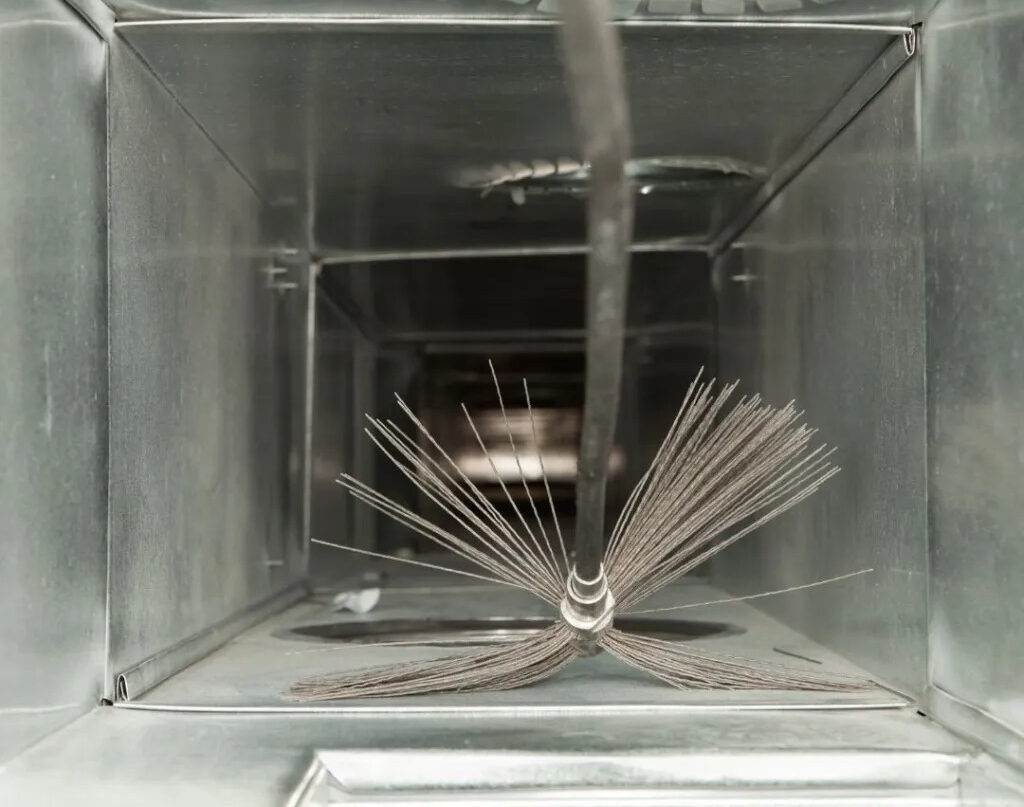
Introduction Maintaining clean air ducts is essential for improving indoor air quality, boosting HVAC efficiency, and ensuring a healthier living environment. Over time, air ducts accumulate dust, allergens, and even mold, which can circulate throughout your home and negatively impact respiratory health. Cleaning your air ducts properly can prevent these issues, making your home safer and more comfortable. In this guide, Air Duct Clinic will walk you through the steps to clean air ducts, when to hire professionals, and the benefits of regular maintenance. Call us to get a no obligation quote 770-351-2777 today! Why Clean Your Air Ducts? Benefits of Clean Air Ducts Clean air ducts contribute significantly to indoor air quality by removing contaminants such as dust, pollen, and pet dander that can accumulate in the ductwork. This helps in reducing allergy symptoms and respiratory problems. Additionally, removing debris from air ducts enhances HVAC system efficiency, leading to lower energy bills. Mold and mildew growth within ducts can also be a serious concern, as they may release spores into the air, affecting those with asthma or allergies. Regular cleaning prevents these issues and extends the lifespan of your HVAC system. Signs Your Air Ducts Need Cleaning There are several indicators that your air ducts require cleaning. If you notice excessive dust buildup around vents and registers, it may be a sign that your ducts are clogged. Unexplained allergy symptoms, frequent sneezing, or respiratory problems can also indicate that contaminants are circulating through your HVAC system. Mold growth inside ducts is another serious concern that requires immediate attention. If your home has persistent musty odors or you experience inconsistent airflow, these could be indications that it’s time to clean your air ducts. How Often Should You Clean Your Air Ducts? Experts recommend cleaning air ducts every three to five years under normal conditions. However, homes with pets, allergy sufferers, or high dust levels may need more frequent cleaning, ideally once a year. If you’ve recently completed a home renovation project or experienced mold contamination, an immediate air duct cleaning is recommended to remove potential irritants. Tools & Materials Needed for Air Duct Cleaning Before starting the cleaning process, you will need a few essential tools. A high-powered vacuum equipped with a HEPA filter is crucial for effectively removing dust and debris from the ducts. A soft-bristle brush can be used to dislodge dirt from duct surfaces. A screwdriver will be necessary for removing vent covers, while a microfiber cloth can help wipe down surfaces. It’s also recommended to replace your furnace filter during the cleaning process to ensure the HVAC system continues to run efficiently. For deeper cleaning, some may opt for compressed air tools to remove stubborn debris. How to Clean Air Ducts (Step-by-Step Guide) Step 1: Turn Off Your HVAC System Before beginning, turn off your HVAC system to prevent dust and debris from being blown into your living spaces while cleaning. This ensures safety and prevents contaminants from spreading throughout your home. Step 2: Remove and Clean Vent Covers Using a screwdriver, carefully remove all vent covers. These covers can accumulate dust and grime, so wash them with warm, soapy water and let them dry completely before reinstalling. Cleaning the vents regularly prevents dust from immediately re-entering the duct system. Step 3: Loosen Dust and Debris in the Ducts Use a soft-bristle brush to gently loosen dust and dirt clinging to the duct walls. Avoid using excessive force, as this could damage the duct lining. If you have flexible ducts, be extra careful to prevent tearing the material. Step 4: Use a Vacuum to Remove Dust Insert the vacuum hose into the ducts and use slow, deliberate motions to remove as much dust and debris as possible. A HEPA-filtered vacuum is ideal for this step, as it traps fine particles and prevents them from being released back into the air. Move the hose around to reach different sections of the ductwork. Step 5: Clean the Air Filter and Replace if Needed A clogged air filter can reduce airflow and allow more dust to accumulate in your ducts. Check your filter and either clean or replace it, depending on the type you use. Regularly changing the air filter improves HVAC efficiency and helps maintain clean air in your home. Step 6: Reassemble and Turn the System Back On Once the cleaning process is complete, reinstall the vent covers and turn the HVAC system back on. Observe the airflow to ensure there are no obstructions. You should notice an improvement in air quality and efficiency immediately after cleaning. DIY vs. Professional Air Duct Cleaning When DIY Cleaning is Enough DIY air duct cleaning can be effective for minor dust buildup, especially if your HVAC system is well-maintained. If you clean air vents and change filters regularly, you may only need occasional duct cleaning. However, it’s important to be thorough and avoid damaging the ductwork during the process. When to Call a Professional (Like Air Ducts Plus More) If there is visible mold growth inside the ducts, a professional cleaning service is recommended to properly remove mold and sanitize the system. Excessive dust accumulation, pest infestations, or persistent allergy symptoms may also indicate a need for expert assistance. After major home renovations, hiring professionals ensures that construction debris and dust are fully removed from your air ducts. How to Maintain Clean Air Ducts Change Air Filters Regularly Replacing your air filter every one to three months prevents dust and debris from accumulating in the ductwork. High-quality HEPA filters are particularly effective in capturing airborne particles. Keep Vents and Registers Clean Regularly wiping down vents and registers with a damp cloth helps reduce the amount of dust circulating in your home. Keeping furniture away from vents ensures proper airflow and prevents obstructions. Schedule Routine HVAC Maintenance Annual HVAC inspections can identify early signs of duct contamination and mechanical issues. Professional maintenance can also include a more thorough air duct cleaning service when necessary. Common Mistakes to Avoid When Cleaning